
Here’s What you Need to Know About Floral Foam - And What you Can Use Instead.
If you've ever received a flower arrangement or watched a florist at work, you've almost certainly encountered floral foam even if you didn't know it by name. It’s that dense, green brick sitting in the bottom of a vase or wreath form. It's been a staple of the floral industry for decades, and for good reason. But like a lot of things that seemed ingenious at the time, it has come with some pretty serious baggage.
So, what exactly is floral foam?
Floral foam is a porous, lightweight material designed to do two things: hold stems in place and keep flowers hydrated. It's made from phenol formaldehyde resin, a foamed plastic, and it's engineered to absorb water and release it slowly to the stems inserted into it. It can be cut into almost any shape, which makes it incredibly versatile for floral design.
It first showed up in the 1950s and quietly revolutionized the industry. It can absorb 40 to 50 times its own weight in water, which means flowers stay fresh for a long time, and because the water is locked into the foam rather than sloshing around in a vase, arrangements are far easier to move without spilling.
Where is it used?
Pretty much everywhere in the floral world. Floral foam is utilized in everyday arrangements, wedding centerpieces, event installations, and sympathy designs for funeral services. It's available in loose blocks you cut to fit, or in pre-formed shapes like wreaths, spheres, and self-contained containers made for hanging or mounting. For a long time, if you were making a professional arrangement, foam was simply the assumed starting point.
Here's the problem.
Floral foam is not biodegradable. At all. It's a single-use plastic product made from chemicals that never fully break down, and because it's so porous and crumbly, tiny particles shed off easily - washing down drains, ending up in gardens, and making its way into waterways. It's a meaningful contributor to the microplastic crisis, and because it's designed to be used once and thrown away, the volume adds up fast across an industry that produces arrangements every single day.
Beyond the environmental impact, there are also concerns about the chemical composition of the foam itself and what that means for the people handling it regularly.
The foam-free movement
Because of all of this, a growing number of floral designers, from independent studio florists to large-scale event designers, have made the switch away from floral foam entirely. The "foam-free" movement has picked up real momentum over the last several years, driven by both environmental values and consumer demand for more sustainable practices.
The good news is that going foam-free doesn't mean sacrificing beautiful, structured arrangements. There are lots of alternatives available - even for beginners!
Whether you're a working florist reconsidering your materials or a hobbyist who wants to make more eco-conscious choices at home, there's a solution that will work for you. Check out our list of favorites below to get started.
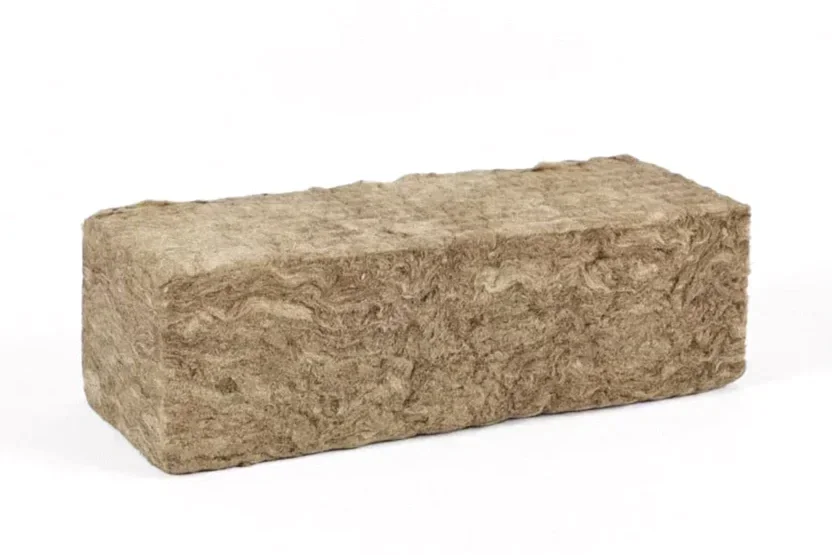
Most like Floral Foam
Agra-Wool™ is a water-absorbent material made from basalt. It’s reusable, biodegradable and can be cut to fit vessels similar to floral foam.
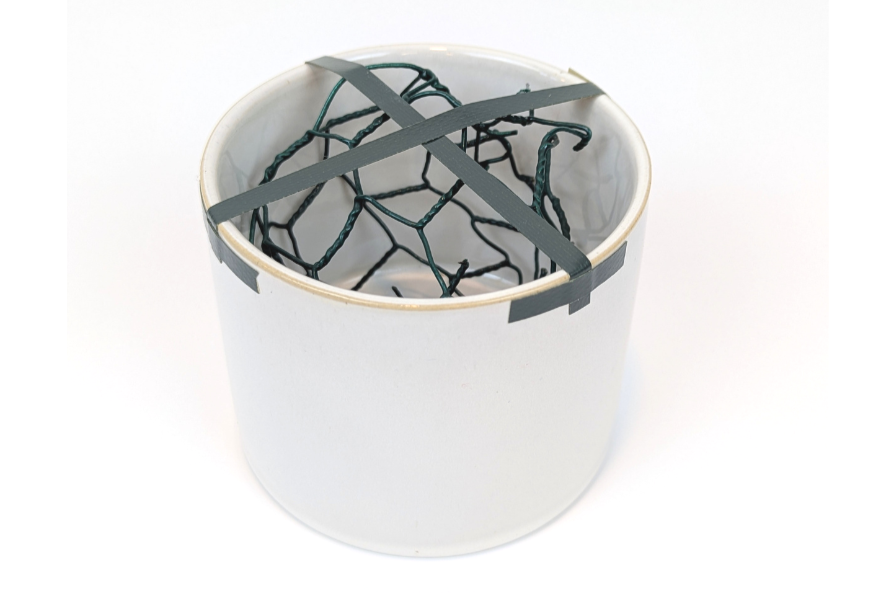
Most Versatile
Chicken Wire can be used to create a mechanics in vases and vessels as well as in installation work to attach floral designs to structures such as arbors. It is easy to source and can be reused.
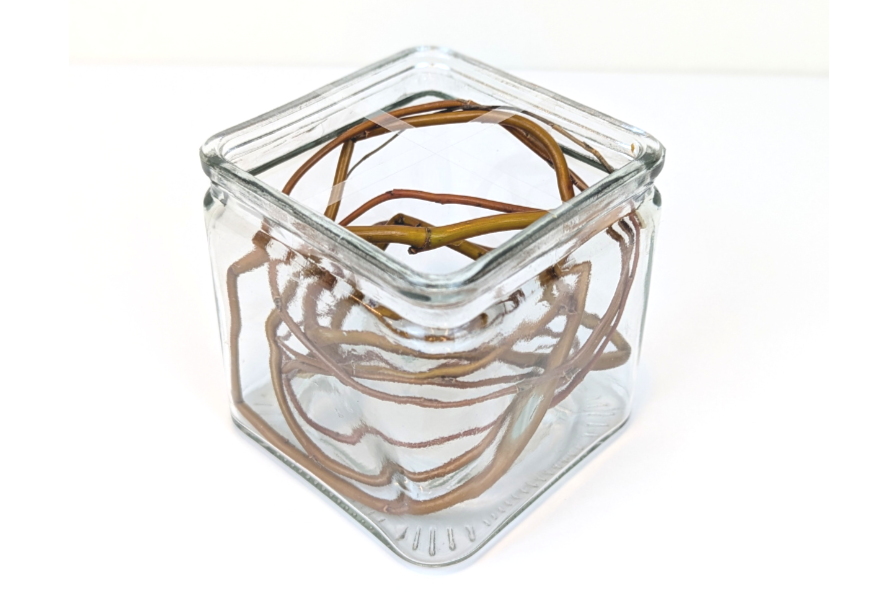
Most Compostable
Curly Willow is used in a similar fashion to chicken wire and is great for creating structure inside of vases and vessels. It can be composted with your arrangement when you’re done.
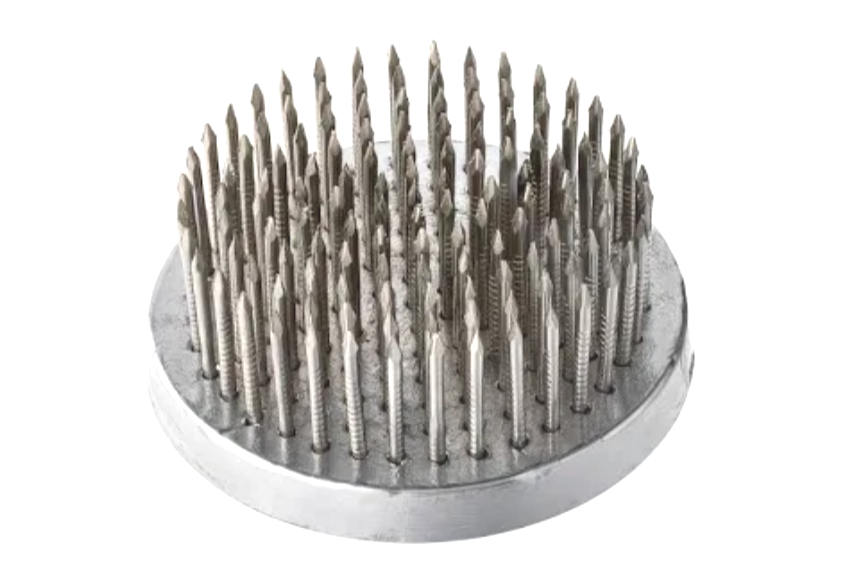
For Minimalist Designs
Pin Frogs or Kenzans are ideal for minimal designs using only a few stems. They can be used in low containers and bowls and are often used in Ikebana styles.
For Low and Lush Styles
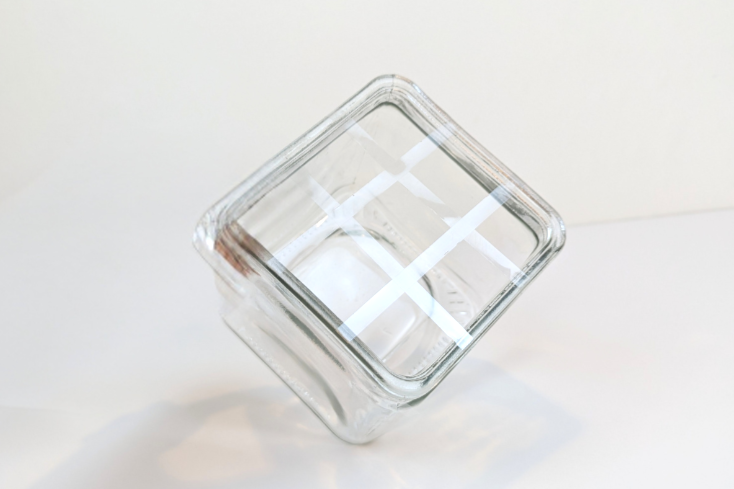
Tape Grid is ideal for clear vases where you don’t want your mechanics to show and easily supports low and lush style designs.
Check out The Centerpiece Guide for more on floral mechanics and how to choose the right mechanics for your vase!
